Getting a diagnosis is one thing. Knowing what to do with it is another. EWL has partnered with The ADHD Centre — a CQC-regulated, consultant psychiatrist-led clinic — so families can access formal ADHD and autism assessment without losing the educational support that should follow it.
In partnership with
The ADHD Centre

The ADHD Centre has been assessing and treating ADHD and autism since 2009. Every diagnosis is led by a GMC-registered consultant psychiatrist with NHS experience, working to DSM-5 criteria and using recognised diagnostic tools including Conners 3, ADOS-2 and ADI-R. They are CQC regulated, hold clinics in London and Manchester, and assess online across the UK.
For children, that means an assessment conducted by a specialist child and adolescent psychiatrist rather than a general clinician — and a report that stands up when a school, a local authority or a GP reads it.
A diagnostic report tells you what your child has. It doesn’t tell a school what to change on Monday morning. That gap is where most families get stuck — and it’s the part EWL handles.
You enquire through EWL. Lauren discusses what you’re seeing, what school has said, and whether a formal assessment is the right next step or whether something else should come first.
Where an assessment is right, EWL coordinates the booking with The ADHD Centre and prepares you and your child for what to expect. Assessments are delivered by their consultant psychiatrists, online or in person.
Once the report is issued, Lauren goes through it with you in plain English — what it says, what it doesn’t say, and what it means for your child’s education.
The findings are translated into an intervention map for school (£95), evidence for a SEN support plan, or supporting material for an EHCP needs assessment where one is being pursued.
Assessment and diagnosis are delivered by The ADHD Centre’s GMC-registered consultant psychiatrists. Education With Lauren is not a clinical provider and does not diagnose. No information is shared other than what is consented to in our data sharing agreement. We take no liability for The ADHD Centre.
ADHD in children is frequently missed, and it is missed in different ways depending on the child. The child who cannot sit still gets noticed. The child who is quietly lost in her own head for six hours a day often doesn’t — she’s described as a daydreamer, or as not quite reaching her potential, and nobody looks further.
A formal assessment establishes whether the difficulties you’re seeing meet the clinical threshold for ADHD, which presentation is involved, and what else may be running alongside it.
For younger children, or where the picture is unclear, talk to Lauren first. A Full Education Gap Analysis is often the better starting point, and the evidence it produces is useful either way.
Autism assessment asks a different question from ADHD assessment, and takes longer to answer. It looks at social communication, at patterns of behaviour and interests, at sensory experience, and at how those have presented across your child’s life — not just how they present in a clinic room on one afternoon.
This matters particularly for children who mask. A child who holds herself together all day at school and falls apart the moment she gets home is not a child without difficulties. She is a child paying a very high price to appear to have none.
A combined assessment covers both in one coordinated process, rather than putting your family through two separate ones.
| Assessment | Format | Cost |
|---|---|---|
| Child ADHD Assessment | Online | £1,325.25 |
| Child ADHD Assessment | In person | £1,610.25 |
| Child Autism Assessment | Online | £2,655.25 |
| Combined ADHD & Autism Assessment | In person | £3,605.25 |
All assessments are consultant psychiatrist-led and include a full written diagnostic report. EHCP Personal Budget and EOTAS funding accepted. Payment is not taken until you have spoken to Lauren and are ready to proceed.
Our partnership gives EWL families access to The ADHD Centre’s full range. These are available on request — talk to Lauren about any of them.
Three of The ADHD Centre’s child and adolescent consultant psychiatrists work with EWL families.

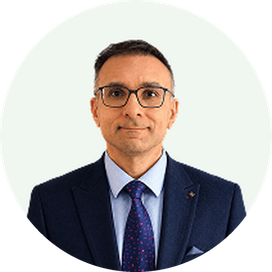
Dr Shaker Naeeni is a Fellow of the Royal College of Psychiatrists — a distinction recognising more than a decade of dedicated service and significant contribution to the field. He currently serves as Lead Consultant in an NHS Trust in the home counties, and trained at the Royal London and Bart’s scheme before specialising in child and adolescent psychiatry at the University of Cambridge’s Developmental Psychiatry Section.
With more than 20 years’ experience, his practice centres on neurodevelopmental conditions — ADHD and autism — alongside the anxiety, mood difficulties and effects of adverse childhood experience that so often accompany them. He is known for detailed diagnostic assessment and treatment plans built around the individual child, and families consistently comment on his manner as much as his expertise.
He is also a respected educator and supervisor, has contributed to peer-reviewed research cited internationally, and has appeared in the media as a trusted voice on child and adolescent mental health.

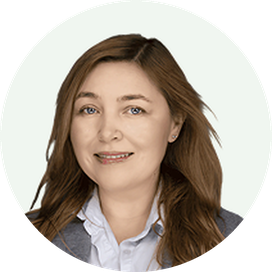
Dr Ciobanca qualified in medicine in 2004 and trained in public health before moving into child and adolescent psychiatry, completing her Core Psychiatry Training and Specialist Training in Child and Adolescent Mental Health in Cambridge. She has worked across a range of NHS settings with both children and adults, including people with learning disabilities and eating disorders.
Her approach to assessment is personalised and holistic. She has particular expertise in neurodevelopmental conditions — ADHD, autism and tic disorders — and in the conditions that frequently co-occur with them, including depression, anxiety, phobias, PTSD and OCD. Families describe her as compassionate and thorough, taking the time to understand the full picture before setting out a way forward.
Alongside her psychiatric training she completed in-depth training as a Cognitive Analytical Therapist at St Thomas’ Hospital, giving her particular expertise in combining psychological and pharmacological approaches. She is a visiting consultant psychiatrist at the University of Cambridge, where she delivers complex communication training to medical students.
Dr Ciobanca offers consultations in both English and Romanian.

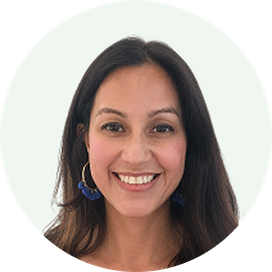
Dr Keay is the ADHD clinical lead for a London-based NHS Trust. She has extensive experience across the full range of child and adolescent mental health, with particular interest and expertise in the assessment and management of neurodevelopmental conditions — ADHD, autism spectrum conditions and tic disorders.
She also regularly assesses and treats anxiety, mood disorders, OCD, psychotic disorders and eating disorders, which matters in practice: children rarely arrive with one neat difficulty, and a clinician who can see the whole picture is more likely to get the diagnosis right.
Every assessment through this partnership starts with a conversation with Lauren — not a booking form. Tell us what you’re seeing and we’ll tell you honestly whether an assessment is the right next step.